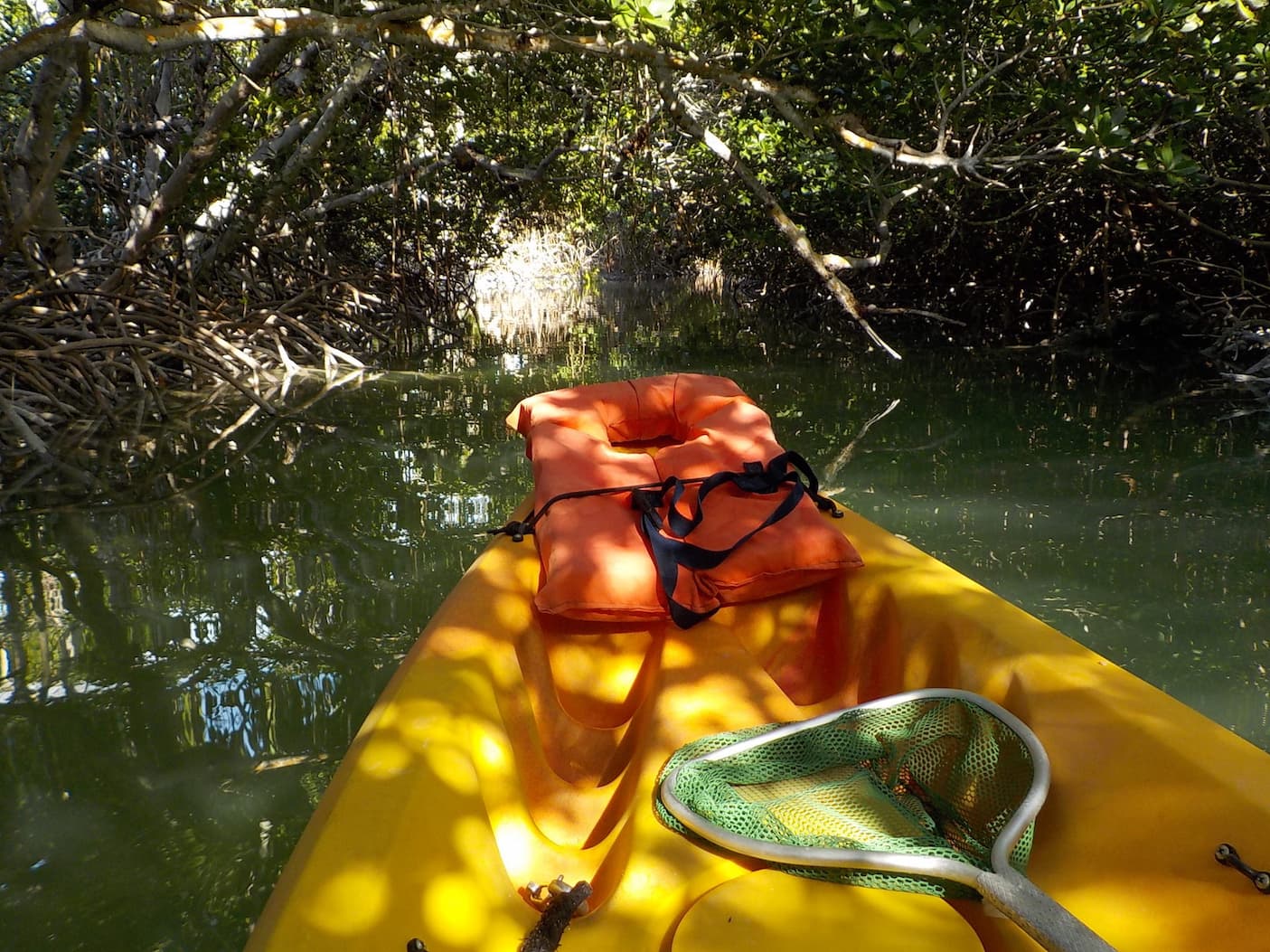
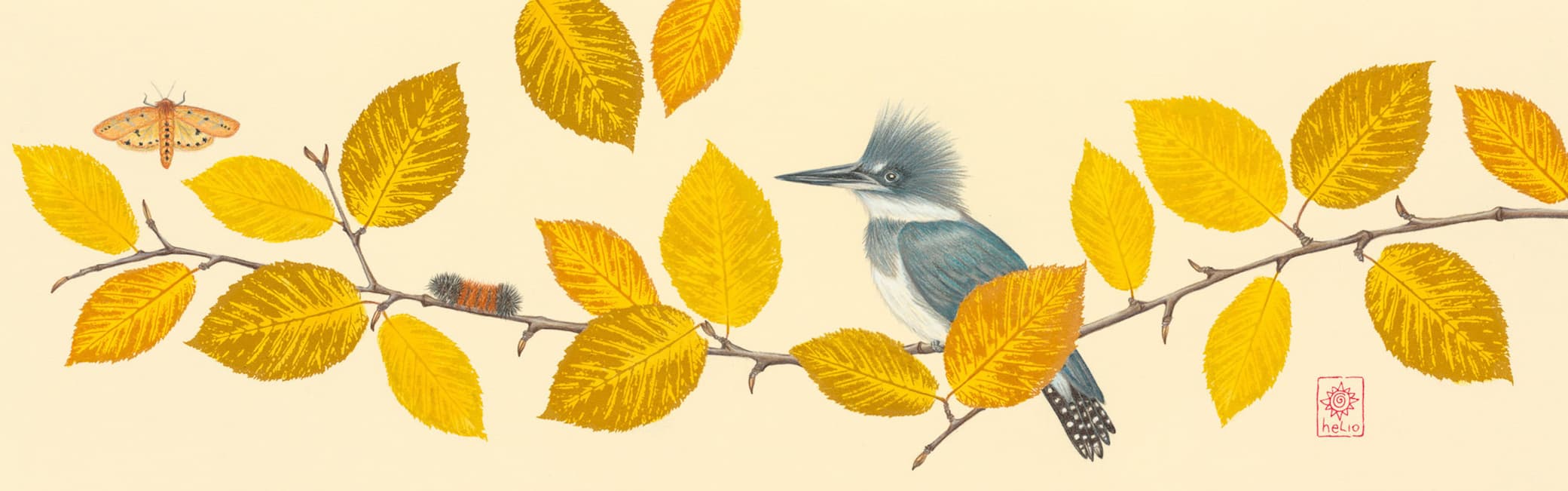
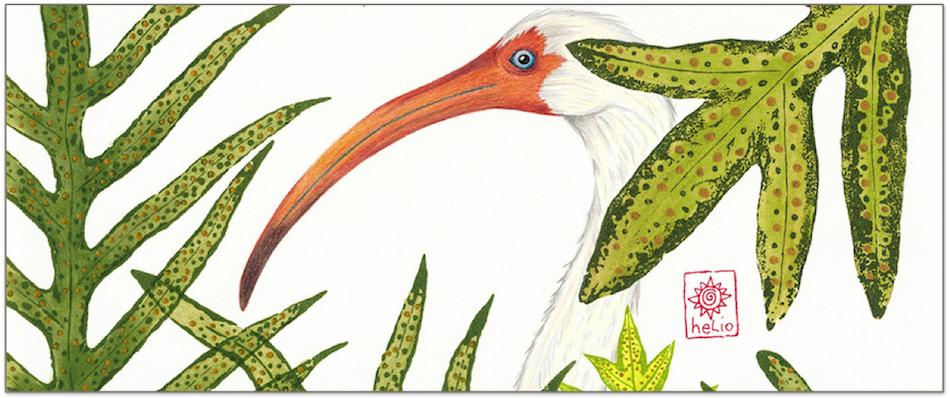
... Paddle through the hushed, hidden maze of waterways winding through curved mangrove prop roots that anchor their way as they walk through the water, while long roots hang down from above. Dappled light filters through the shady forest canopy. Mangrove seedlings called propagules dangle from the branches. This secret passageway provides a hidden habitat for all kinds of critters in the low-hanging branches of the trees and protected channels. Yellow-crowned night herons, Kingfishers, and Egrets all find refuge here, while mangrove crabs scurry along on the branches and baby barracudas hide in the protected shadows.
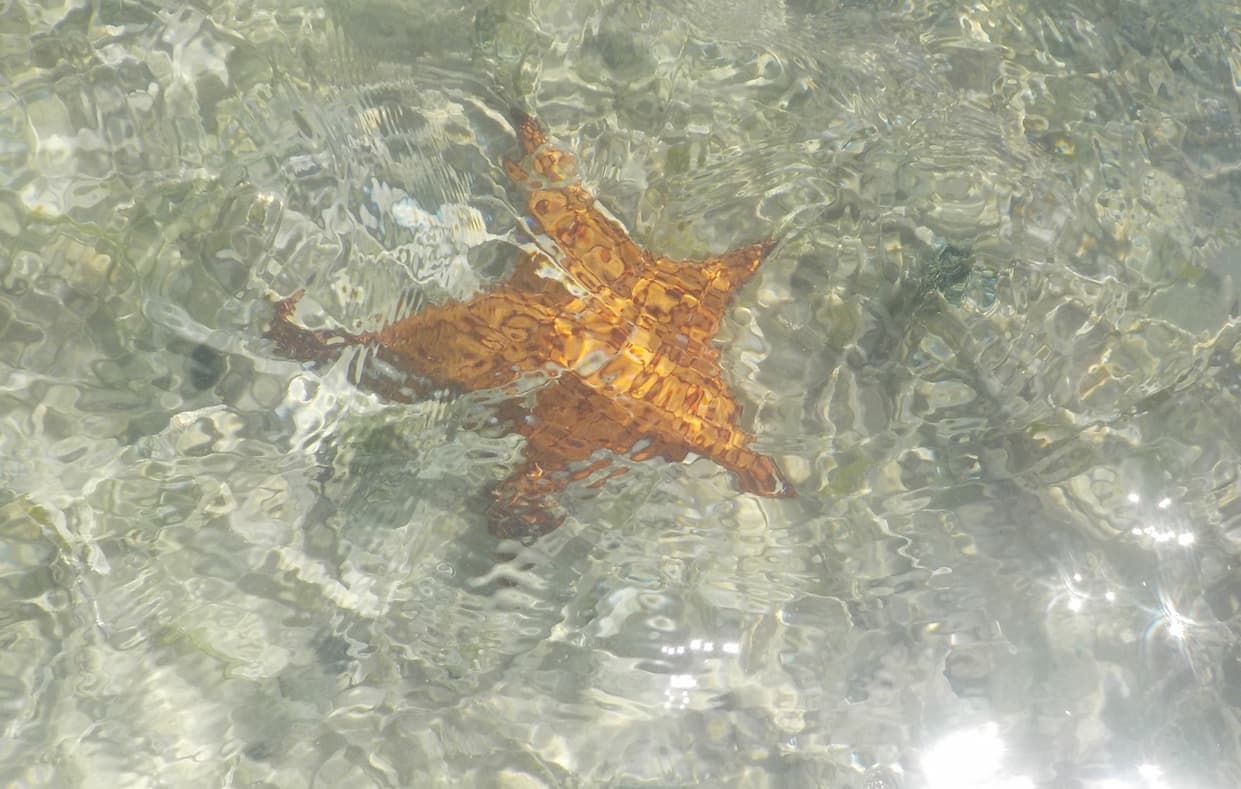
It seems like an unexpected place to find an abundance of Caribbean spiny red sea stars, but they are often sighted in the channels, clinging to the roots or lying on the sand and silt bottom. These 5-armed starfish range from a reddish maroon to brownish orange with distinctive yellowish spines and grow to 6" wide. They also inhabit bays, reefs, seagrass beds, and rocky shorelines.
They are not fish but echinoderms related to sea urchins; thus, the term "sea star" is scientifically more accurate, though they are known both ways.
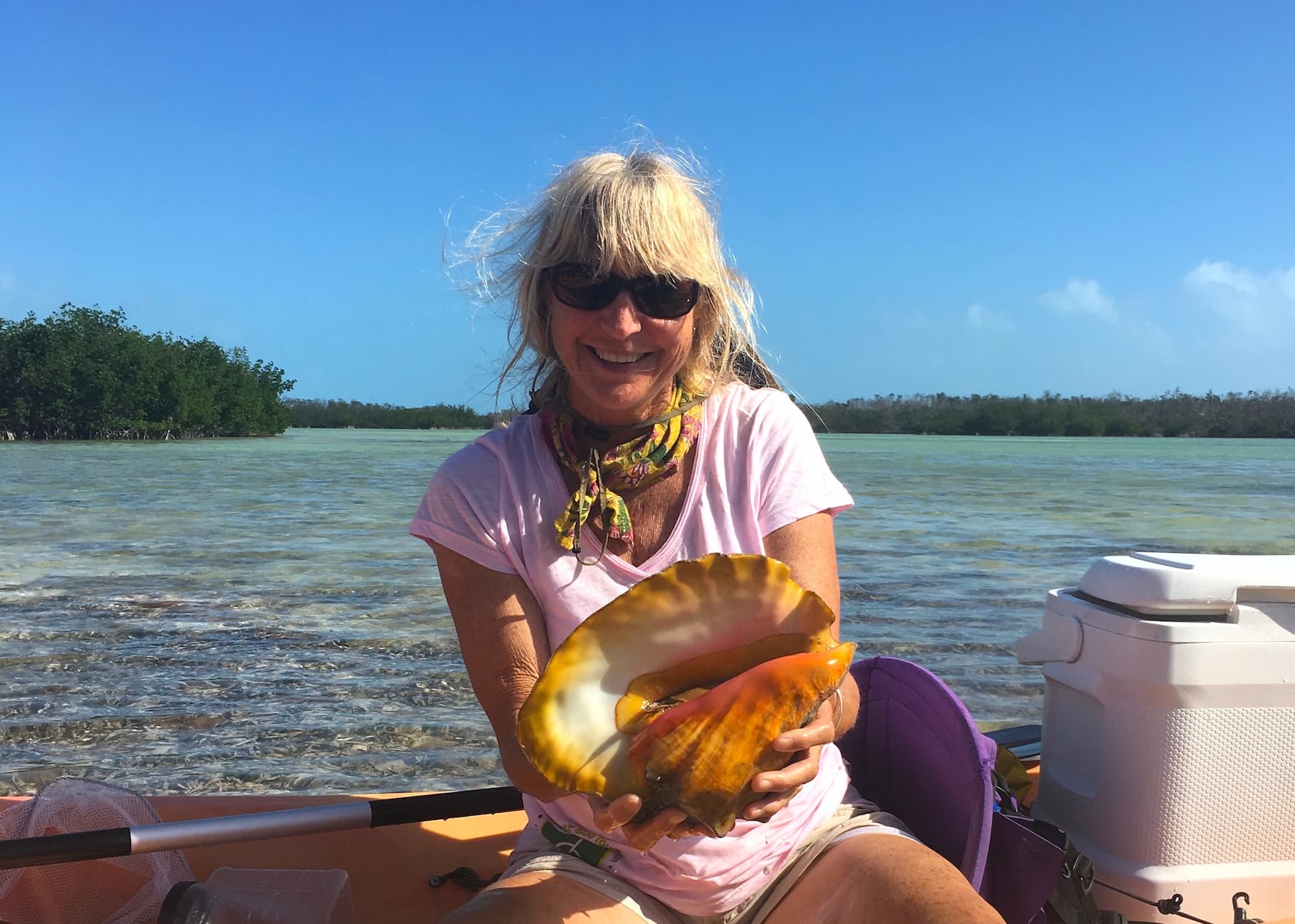
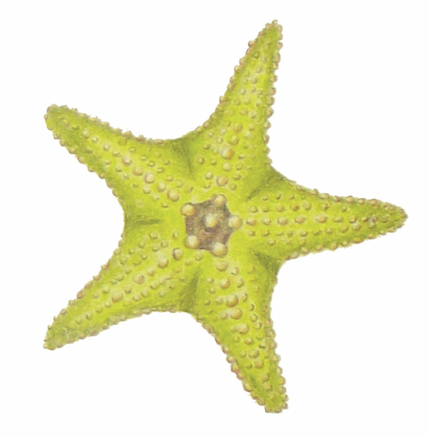
Exiting the tunnel and gliding over seagrass meadows, you may find a hermit crab occupying a Conch shell or a large Bahama cushion sea star lying on the bottom. The young, green juvenile stars live in the grass for camouflage and eventually turn red, orange, or yellowish brown and grow to 20", one of the largest species of sea stars. They have thick arms with eyes at the tips that sense light and dark, and they prefer calm, shallow waters.
Sea stars have delicate tube feet and move faster than you might think, propelled by an internal vascular hydraulic water system. They are on the hunt for algae, sponges, and sediment, which they eat by turning their stomachs inside out and digesting their meals externally.
It may be tempting to lift one out of the water to get a closer look or take a photo, but you may cause it great harm or even kill it.
I was on a kayak trip with a group when one was taken from turtle grass in about 5 feet of water, and everyone delighted in seeing it. Though it was handled gently and promptly lowered back into the water, it floated instead of sinking to the ocean floor as expected. Dismayed, I researched it at home and learned that the internal vascular system that controls their movement by water pressure will suck in air when taken out of the water, which prevents them from sinking again. The skin gills through which they absorb oxygen and release CO2 cannot function. They essentially suffocate, as we would if held under water, and can also experience internal injuries.
Certainly not worth a photo.
Best to observe sea stars in their habitat, happily at home on the ocean floor!